Sod Replacement Questions, Answered Plainly
Plain answers on whether a Toronto lawn needs replacing, how resodding is done and how to keep the new sod alive afterwards.
Or call (647) 243-6562, Monday to Saturday, 7 a.m. to 7 p.m.
- Old Turf Hauled Away
- Kentucky Bluegrass Sod
- City of Toronto Only
- Price the Same Business Day
Does It Need Replacing?
Is my lawn dead or only dormant?
Often it is only dormant. Kentucky Bluegrass lets its leaves brown off in a dry summer while the crown at the base stays alive. Ontario's agriculture ministry says a lawn can sit dormant for four to six weeks and green up within about two weeks of steady rain. Tug a handful: turf that holds, with pale, firm crowns, is alive. If it stays brown after that, use the price form.
Should I resod or reseed my lawn?
Reseed if most of the lawn is still grass and you can wait. Resod if the turf is dead or mostly weeds, or you need cover now. Ontario's agriculture ministry says seeding is limited to certain windows, ideally mid-August to mid-September in southern Ontario, while sod can go down any time in the growing season. Seed is cheaper but slower. For a resodding price, call (647) 243-6562.
What is a sod replacement?
It is taking out turf that has failed and putting down sod in its place, as one job. The old turf is cut out and hauled away off-site for disposal, the ground is regraded, fresh topsoil is added, Kentucky Bluegrass sod is laid and it gets its first watering. It can be a whole yard or one section, on a minimum job of $1,500. To price yours, use the price form.
The Job
How is a lawn resodded?
In five steps. The old turf is cut out to bare soil. The ground is regraded so water drains. Fresh topsoil is spread and levelled. Sod is laid in staggered rows with tight joints and pressed down, because the Canadian Landscape Standard calls for a good bond between sod and soil. Then it is soaked. Each step is described under old sod removal and resodding, or call (647) 243-6562.
When is the best time to resod a lawn in Toronto?
Spring and early autumn are the easiest, though sod can go down at any point in the growing season. Ontario's agriculture ministry notes that sod laid in early spring or late autumn needs less watering, and that midsummer sod needs water every day. The Canadian Landscape Standard rules out dry spells, freezing temperatures and frozen ground. For a price ahead of the season, use the price form.
Where does the old sod go?
It is hauled away off-site for disposal. That covers everything cut out of the yard: the old grass, the roots, the thatch and the soil that comes up with them. Nothing is left in a pile for you to deal with. Haul-away is done only as part of a job where sod goes back down, so we do not collect turf that someone else has lifted. Call (647) 243-6562 with any question about it.
Afterwards
How do I keep new sod alive?
Water it. Landscape Ontario's guideline says the soil just under fresh sod should stay continuously moist to a depth of 75 to 100 mm while it roots. Purdue University's turf program advises watering daily until the sod is well rooted, more often in hot, dry spells, then less often and more deeply. Lift a corner to check that the soil below is wet. If it starts to dry out, call (647) 243-6562.
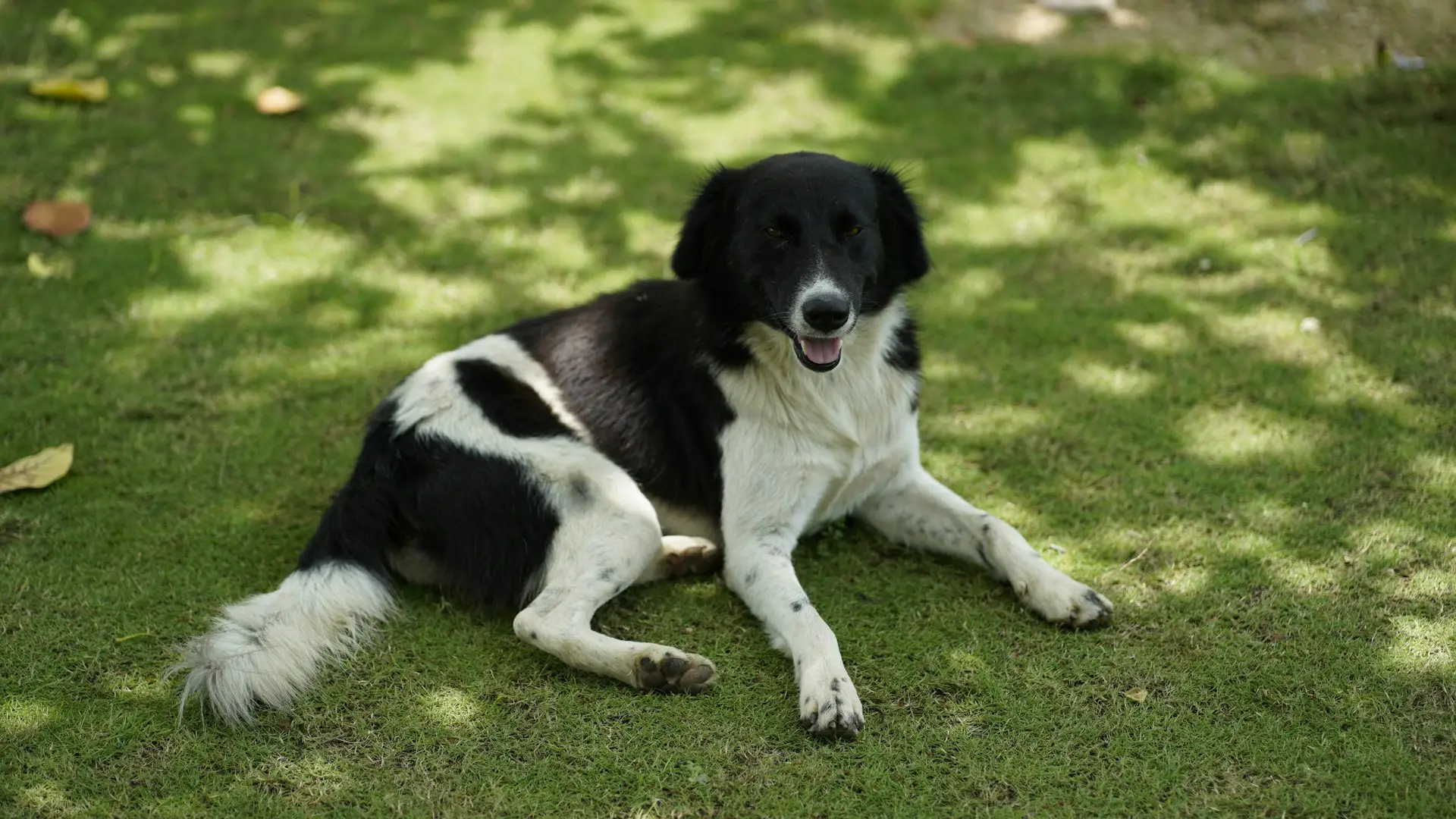
When can my dog go back on new sod?
Once the sod has rooted. Purdue University suggests keeping foot traffic off for three to four weeks, until the grass is well anchored, and Ontario's agriculture ministry gives the same range. Test it by tugging a corner: if it holds, the roots have grown into the soil. Until then, walk the dog elsewhere, because urine burns young sod as readily as old. Questions go to (647) 243-6562.
Answers by Problem
Each service page has its own questions, about that problem only.
- Old Sod Removal and Resodding
- Grub and Chinch Bug Damage
- Dog Damage and Dead Patches
- Sod Replacement Cost